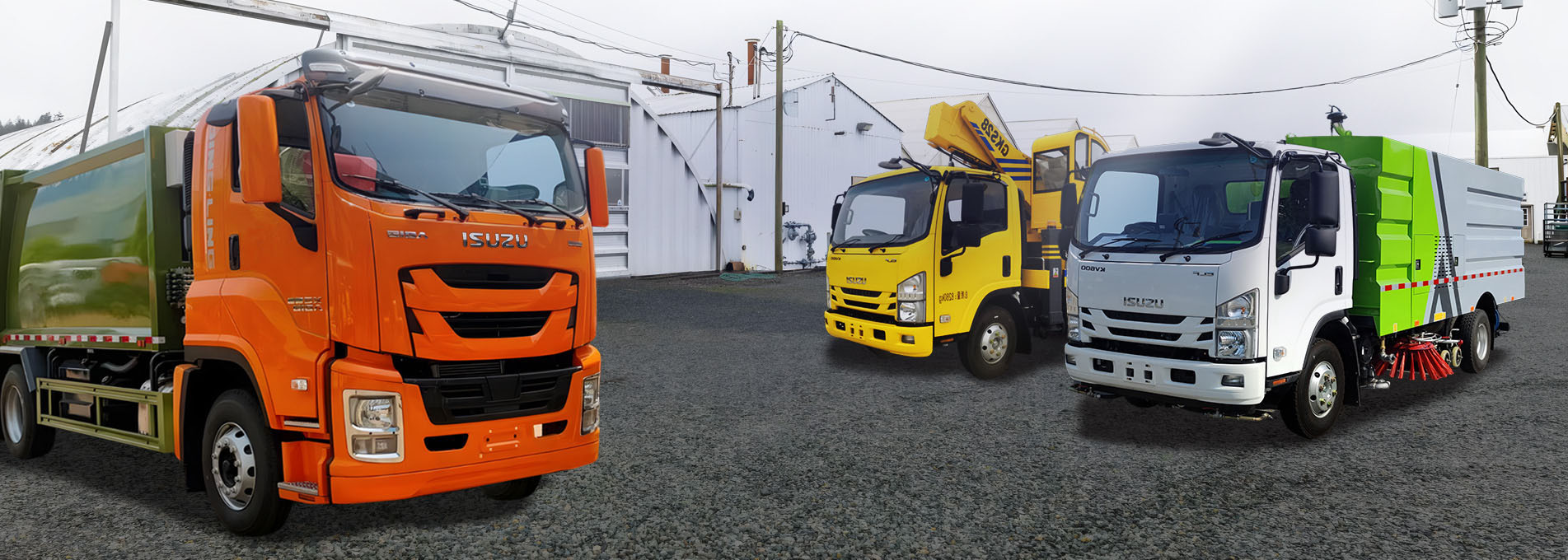
Quando o caminhão de reboque ISUZU Ao chegar ao local do acidente, o primeiro passo é escolher um local adequado para estacionar. Analise o local do acidente, selecionando o local de estacionamento para o veículo principal e uma área aberta próxima ao caminhão danificado. Idealmente, escolha um terreno plano para estacionar e levantar o caminhão com segurança.
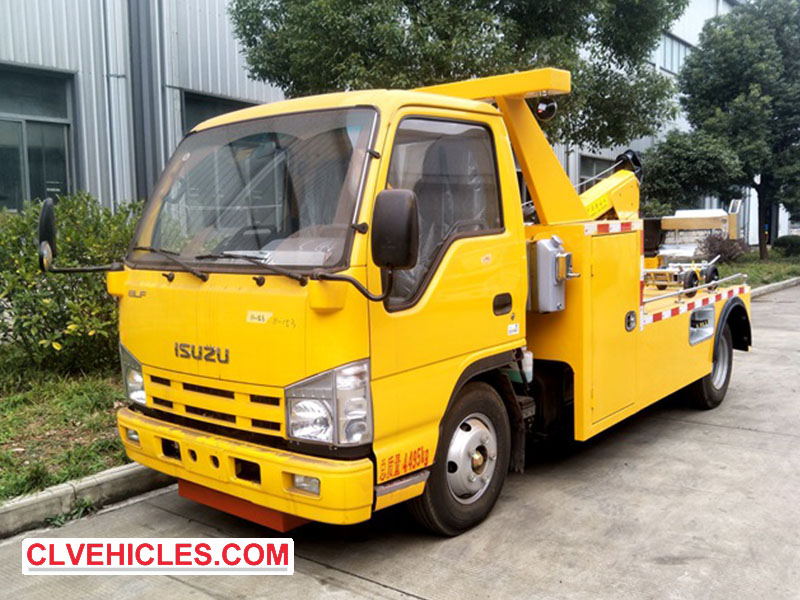
Calcule o peso real do veículo a ser içado, confirmando se está dentro do alcance de trabalho da lança, e posicione o guincho o mais próximo possível do local de destino. Ao respeitar os limites de peso de içamento, considere a distância necessária para o curso máximo de extensão da lança, o ângulo de inclinação para cima e o raio de rotação horizontal. Remova ou evite quaisquer obstáculos no caminho de rotação da lança e tome medidas especiais para cabos aéreos ou outros obstáculos imóveis, como redirecionar a rota ou cortar a energia. Após determinar o local de estacionamento, posicione o guincho no local designado, coloque-o em ponto morto, acione o freio de mão, engate a segunda marcha e ligue a tomada de força. Estenda todos os quatro estabilizadores (esquerdo, direito, dianteiro e traseiro), certificando-se de que os dois pinos de parada em ambos os lados do estabilizador traseiro estejam engatados para evitar retração acidental. Levante as rodas aproximadamente 20-50 mm do solo. Se o solo sob os estabilizadores for macio, use dormentes como acolchoamento.
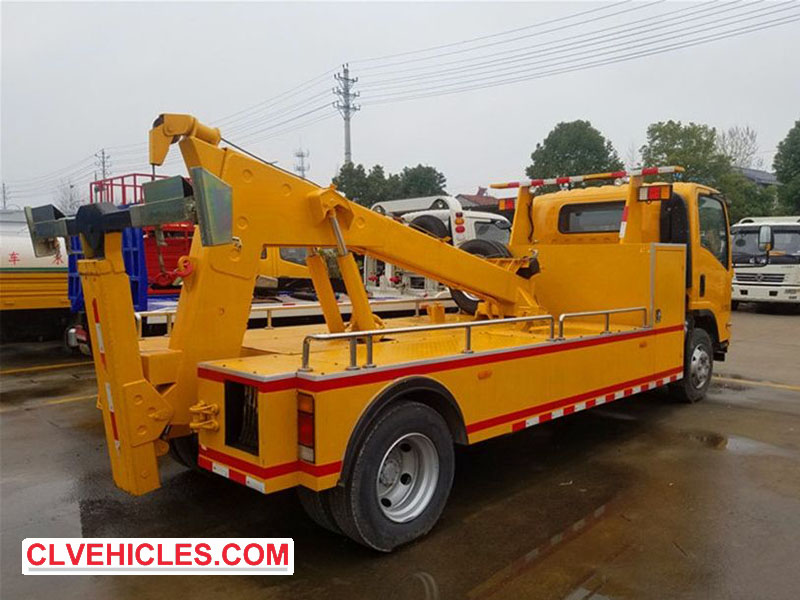
Antes de iniciar qualquer operação de içamento, prepare o veículo a ser rebocado. Ninguém deve estar dentro do veículo e toda a carga ou itens que possam interferir no içamento devem ser removidos para reduzir o peso e minimizar o perigo. Em seguida, escolha um ponto de conexão seguro para o gancho da lança no veículo, garantindo que o gancho ou cabo de segurança seja forte o suficiente para suportar todo o peso do veículo. Remova o pino de parada do guindaste giratório, gire a lança em direção ao alvo, estenda a lança de forma que sua ponta fique verticalmente acima do centro de gravidade estimado do guindaste e, em seguida, abaixe o cabo de aço, preparando-se para engatar o veículo. Todos os componentes devem estar devidamente conectados antes e durante a operação de içamento, e o cabo de aço não deve estar torcido.
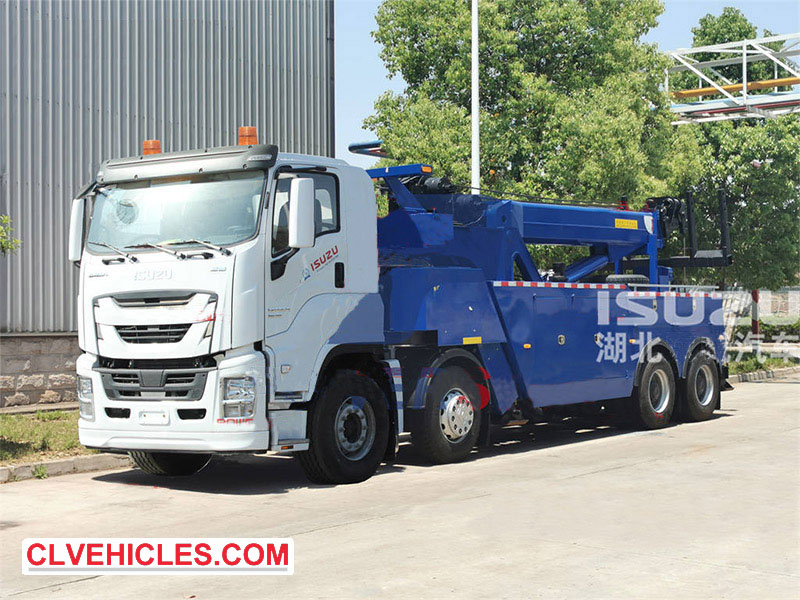
Opere para encurtar o cabo de aço, manter o equilíbrio da carga e içar a uma velocidade constante para evitar o tombamento. Assim que o veículo for içado a uma determinada altura, gire a lança e abaixe-a para uma área aberta. Durante todo o processo de içamento, a lança não deve ser estendida nem retraída. Durante a rotação, os estabilizadores do veículo principal devem ser monitorados atentamente para verificar se afundam; caso seja detectado um afundamento significativo, a operação deve ser interrompida imediatamente. Após a extensão da lança, objetos pesados podem ser içados de uma posição mais alta, mas deve-se ter cuidado para não sobrecarregar um dos lados, caso contrário, o centro de gravidade do veículo se deslocará além da faixa de segurança. É necessário cuidado especial quando a lança é girada em um ângulo reto em relação à linha central longitudinal do veículo de recuperação — essa configuração torna o veículo de recuperação extremamente propenso a tombar devido ao torque excessivo da carga. Normalmente, o estado atual deve ser comparado com a tabela de capacidade de içamento da lança para determinar o estado de tensão admissível da mesma.
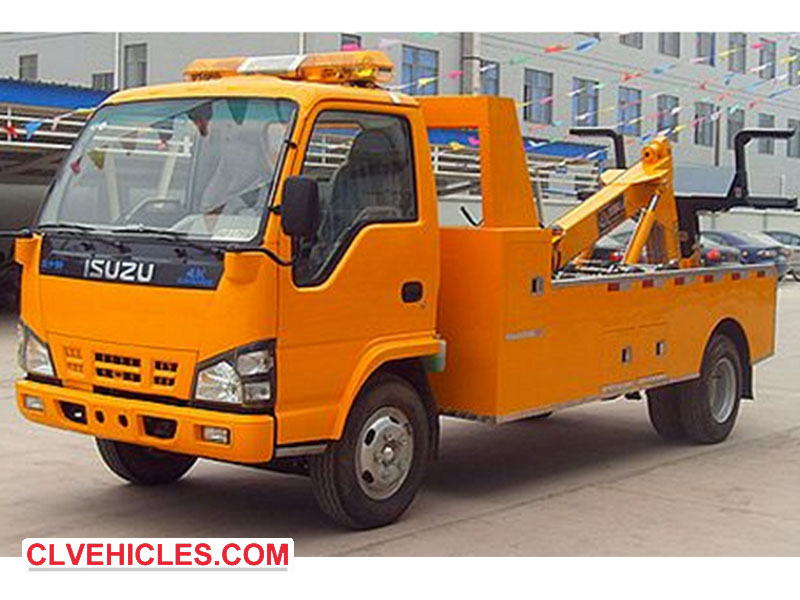
Após a conclusão da operação de içamento, recolha totalmente a lança, gire-a de volta à posição original, abaixe-a até o local designado, trave o assento giratório e organize cuidadosamente o cabo de aço articulado. Ao recolher o cabo de aço, controle cuidadosamente a alavanca de operação quando a polia do gancho estiver próxima do final para evitar danos ao equipamento, rompimento do cabo de aço ou ruptura acidental do mesmo, que podem causar ferimentos. Por fim, recolha e reposicione todos os estabilizadores.
Obtenha o Guia de Compra de Caminhões Guincho ISUZU mais recente.
Pronto para modernizar sua frota de guinchos e veículos de resgate? Baixe nosso Catálogo Comparativo e Manual de Manutenção mais recentes para guinchos ISUZU.
Ao se inscrever hoje, você receberá:
Desconto exclusivo de fábrica: Economize até US$ 1.500 no seu primeiro pedido este mês.
Pacote de peças de reposição: Inclui GRATUITAMENTE peças de desgaste com garantia de 1 ano (cabos hidráulicos, calços de elevação das rodas, ganchos de reboque).
Cotação de frete: Obtenha uma estimativa em tempo real do custo de envio para o porto mais próximo.
CONTATE-NOS Deixe seu e-mail e porto de destino rapidamente para receber a oferta!